
Explore programming language usage in 2025. Python, JavaScript, TypeScript, Go, Rust, and more — market share, adoption rates, and career insights.
Introduction
The world of programming languages is constantly evolving. Every year, new surveys and indexes reveal which languages developers are actively using, which are declining, and which are emerging as industry favorites. In 2025, Python and JavaScript remain at the top, but other languages like TypeScript, Go, and Rust are gaining significant traction.
This article explores the latest statistics on programming language usage in 2025, analyzes their adoption trends, and discusses what this means for developers, businesses, and the broader tech ecosystem.
(Image suggestion: bar chart of top 10 programming languages by usage in 2025)
The Data Sources
To provide a reliable overview, we combine insights from major sources:
Stack Overflow Developer Survey 2025 — covering 85,000+ developers worldwide.
TIOBE Index 2025 — ranking languages by search engine queries and popularity metrics.
GitHub Octoverse (2024/2025 edition) — tracking open-source repositories and contributions.
The Most Used Programming Languages in 2025
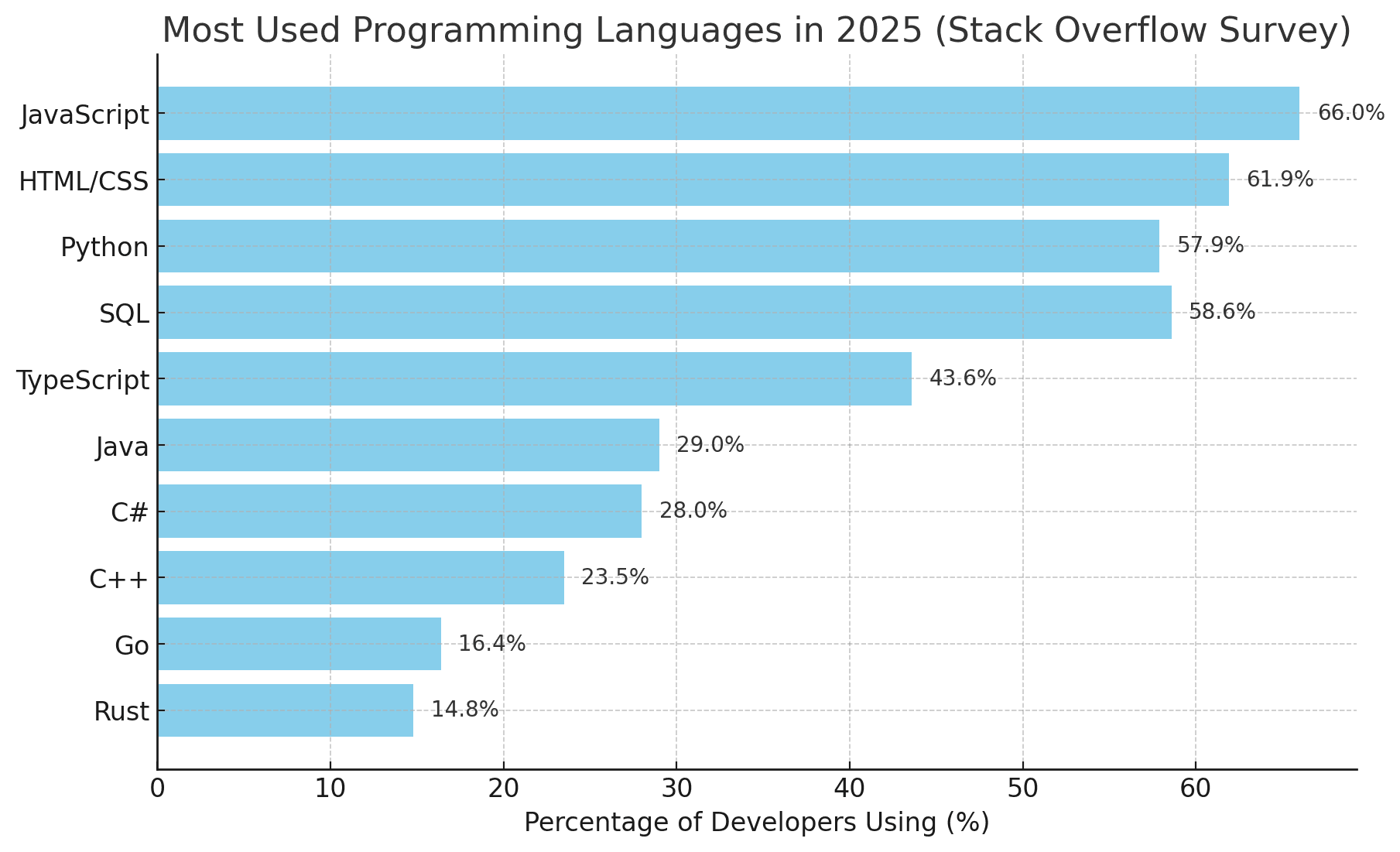
According to the latest Stack Overflow Developer Survey (2025):
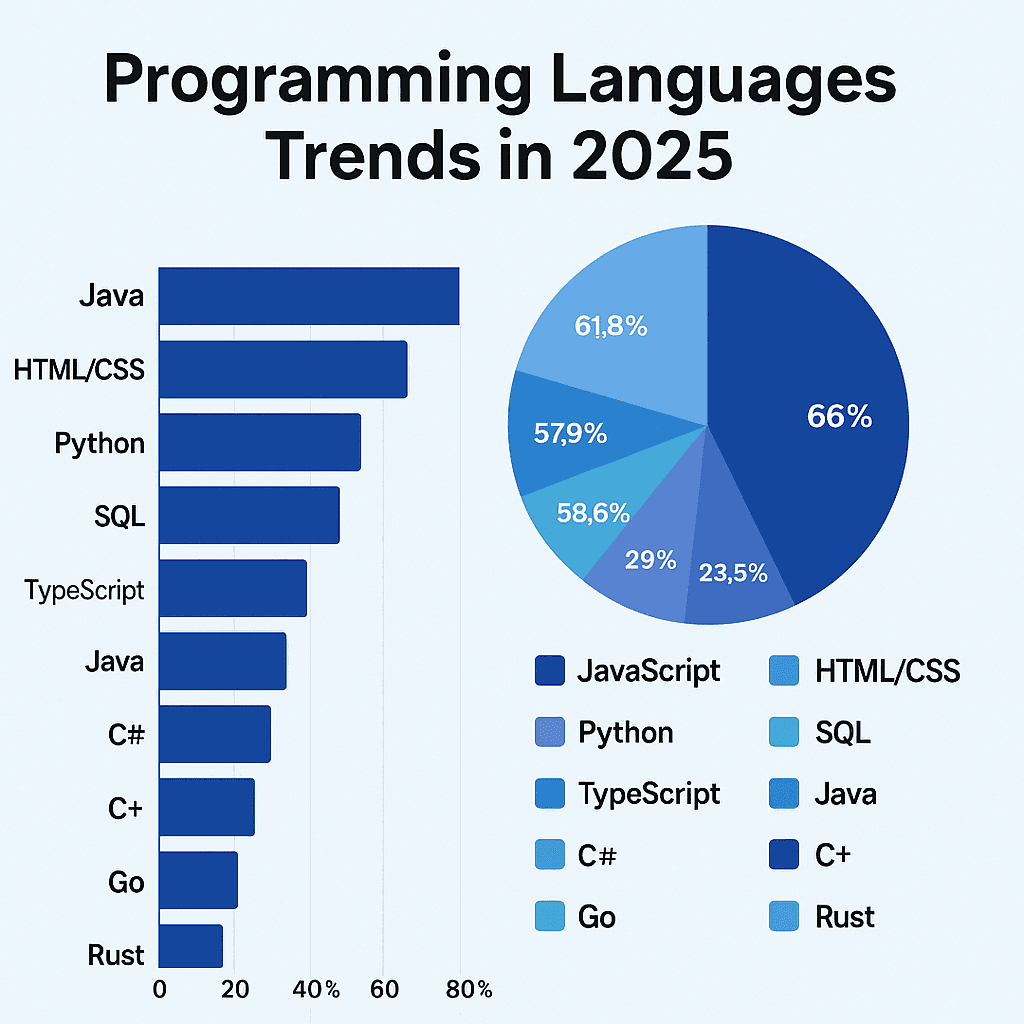
JavaScript → used by ~66% of developers.
HTML/CSS → ~61.9%.
Python → ~57.9%.
SQL → ~58.6%.
TypeScript → ~43.6%.
Java → ~29%.
C# → ~28%.
C++ → ~23.5%.
Go → ~16.4%.
Rust → ~14.8%.
On the TIOBE Index (January 2025):
Python leads at ~26%.
C, C++, and Java remain in the top five.
Rust has entered the top 15 for the first time.
(Image suggestion: pie chart showing percentage usage of top 10 languages)
Grouping the Languages
1. Web Development
JavaScript & TypeScript dominate the frontend.
TypeScript adoption is increasing rapidly due to its type safety and the need for large-scale projects.
Backend frameworks using JavaScript (Node.js, Deno) keep JS relevant beyond the browser.
2. Enterprise & Backend
Java and C# remain strong in enterprise systems, banking, and ERP solutions.
Go is becoming a favorite for microservices and cloud-native development due to speed and simplicity.
3. Data Science & AI
Python rules the AI/ML ecosystem, with libraries like TensorFlow, PyTorch, and Pandas.
R remains popular in academia and statistics.
Julia is slowly gaining adoption in scientific computing.
4. Systems & High-Performance Computing
C and C++ are still essential for OS, compilers, and performance-critical apps.
Rust is gaining traction as a safer alternative to C/C++, particularly in embedded systems and security-sensitive projects.
5. Mobile Development
Kotlin is the default for Android.
Swift is the standard for iOS.
Cross-platform frameworks (Flutter with Dart, React Native with JS) are reducing barriers.
Why Python Continues to Lead
Python’s versatility explains its ongoing dominance:
Easy learning curve for beginners.
Wide adoption in AI, ML, and Data Science.
Rich ecosystem of frameworks: Django (web), FastAPI (APIs), and countless scientific libraries.
Its 25%+ share in TIOBE and ~58% developer adoption in Stack Overflow make it the most future-proof language in 2025.
JavaScript and TypeScript: The Web’s Backbone
JavaScript remains the most widely used language. But the real story is TypeScript, which has grown to nearly half of JS adoption levels.
TS is now essential for scalable frontend projects.
Frameworks such as Angular, Next.js, and Nest.js are driving TypeScript usage.
Many companies adopt TypeScript-first policies for new projects.
Emerging Stars: Go and Rust
Go is praised for its concurrency model and simplicity, making it ideal for microservices, DevOps tooling, and cloud infrastructure.
Rust is the fastest-growing language by adoption percentage. Its memory safety and performance are pushing companies like Mozilla, Microsoft, and Cloudflare to adopt it in production.
The Decline of Older Languages
While still in use, some languages show a gradual decline:
PHP is less dominant, though still relevant in legacy web systems (WordPress, Drupal).
Swift has nearly replaced Objective-C.
Perl and COBOL survive mostly in niche or legacy contexts.
What These Trends Mean for Developers
Beginner-friendly path: Start with Python or JavaScript.
Backend engineers: Learn Java, Go, or Node.js.
AI/ML enthusiasts: Python is mandatory, with optional R or Julia.
System-level engineers: Rust is a strong choice for future-proof skills.
Mobile devs: Kotlin and Swift remain must-haves.
(Image suggestion: roadmap flowchart showing career paths vs. language choices)
Should You Still Learn PHP in 2025?
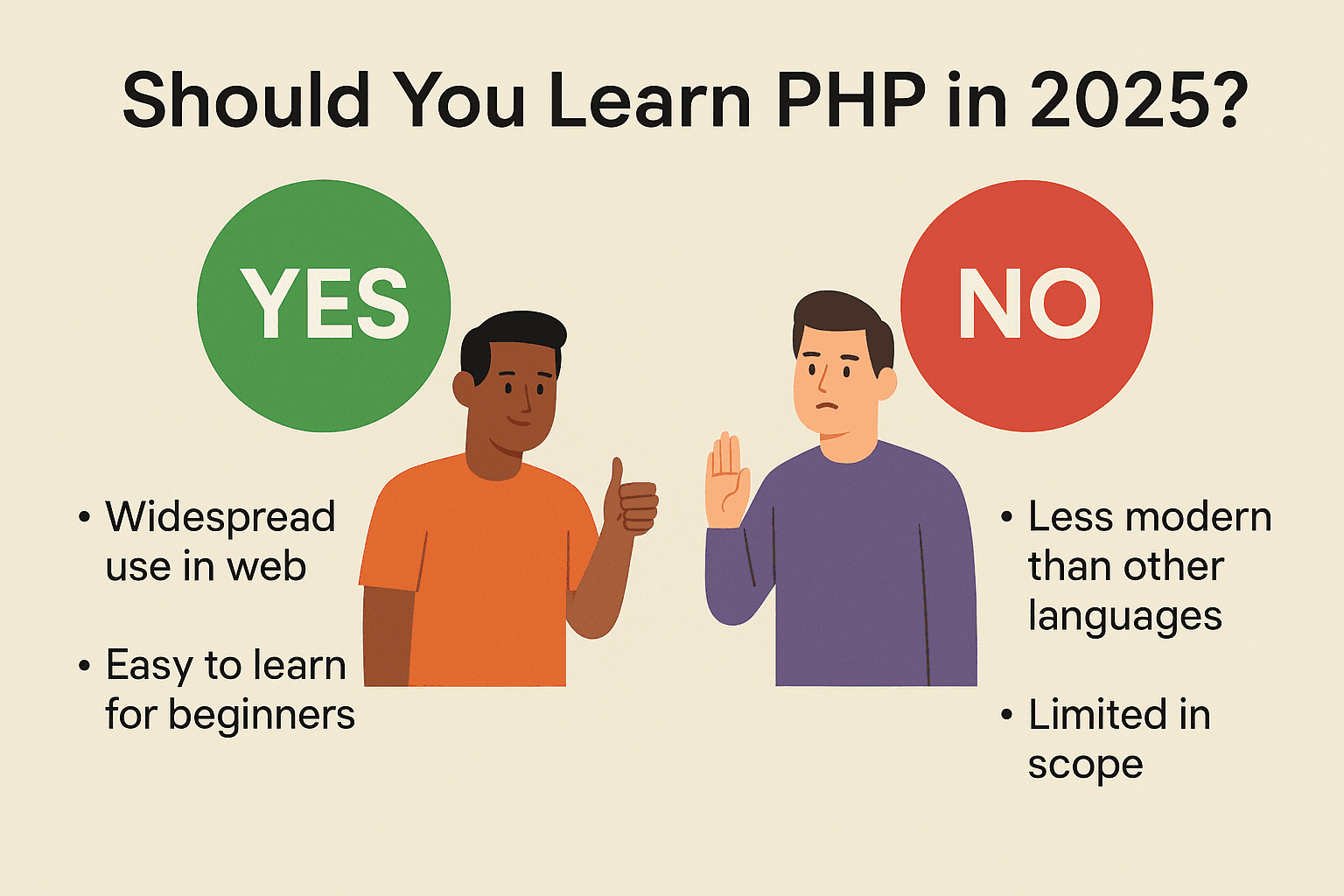
Despite the decline in popularity, PHP is far from dead. According to multiple surveys, PHP still powers a massive portion of the web — especially through WordPress, Drupal, and Joomla, which together account for over 30% of websites online.
Interestingly, some universities and colleges still choose PHP as the first programming language to teach. The reasons include:
Simple syntax compared to languages like Java or C++.
Immediate results when building dynamic websites.
Huge ecosystem of tutorials, frameworks (Laravel, Symfony), and hosting support.
Pros of Learning PHP
Quick entry into web development.
Abundant legacy codebases and jobs maintaining them.
Strong demand in CMS (WordPress) customization.
Cons of Learning PHP
Less modern compared to JavaScript frameworks (React, Next.js) or Python frameworks (Django, FastAPI).
Fewer opportunities in cutting-edge areas like AI, mobile, or cloud-native development.
👉 Verdict: PHP can still be valuable, primarily if you aim to work in web maintenance, CMS development, or freelancing. However, if your career goals involve modern web apps, mobile, or AI, it’s better to prioritize languages like JavaScript, Python, or Go.
FAQ – Frequently Asked Questions
1. What is the most popular programming language in 2025?
→ Python leads the TIOBE Index; JavaScript leads in developer usage.
2. Is PHP dead in 2025?
→ Not dead, but less dominant. Still powers WordPress and millions of websites.
3. Should I learn Rust or Go?
→ Learn Go if you focus on backend/cloud, Rust if you want systems programming and security.
4. What is the best language for AI/ML?
→ Python, with its unmatched library ecosystem.
5. Which language is best for beginners?
→ Python or JavaScript, thanks to readability and community support.
Tools Spotlight: DroidInsights DevTools
While programming languages shape what developers build, tools are equally important in shaping how they make.
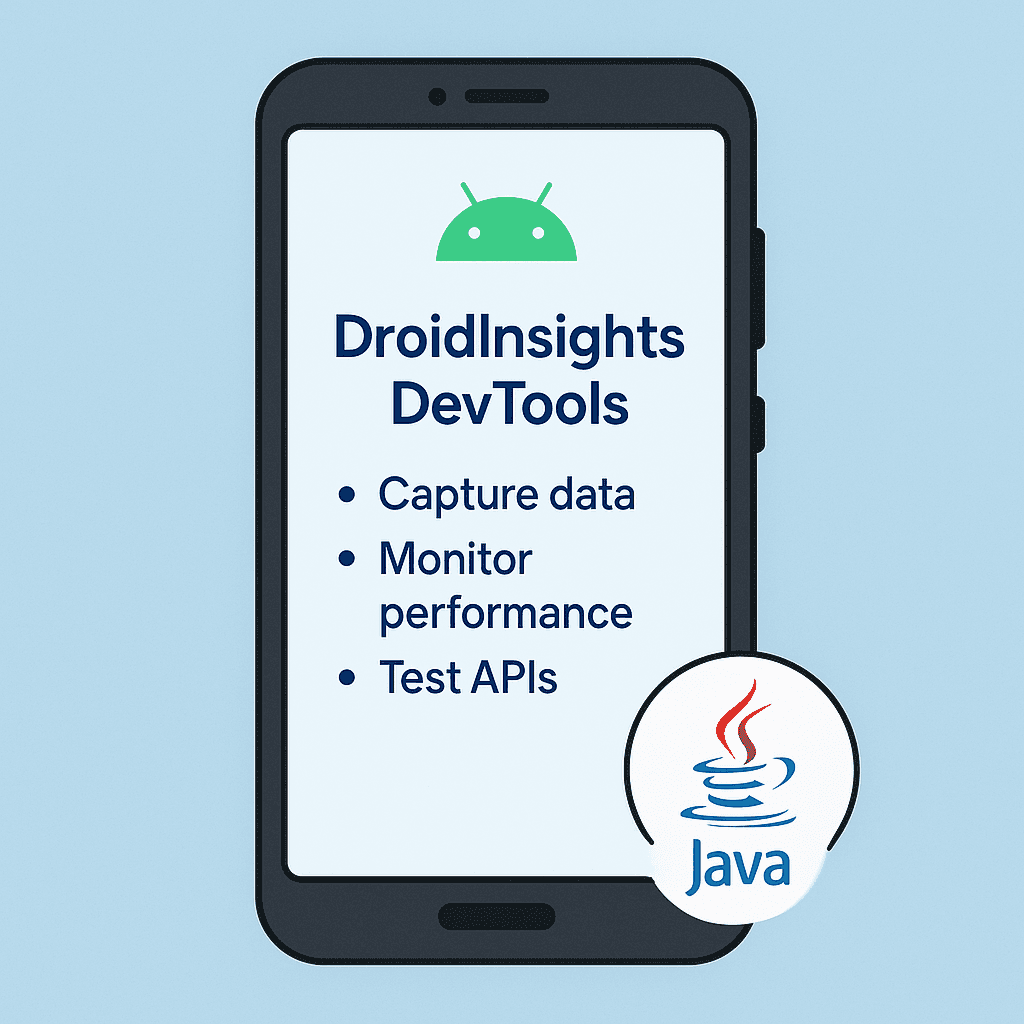
DroidInsights DevTools is a toolkit written for Android developers, designed to streamline debugging, monitoring, and feature testing. It enables developers to:
Capture live data from mobile apps.
Monitor resource usage and performance.
Test new APIs directly within Android workflows.
For developers working in the Android ecosystem, DroidInsights DevTools demonstrates how specialized toolkits can accelerate productivity and provide deeper insights into app behavior.
Key Takeaways
Python and JavaScript remain the top programming languages in 2025.
TypeScript is rising fast, becoming the default for modern web projects.
Go and Rust are emerging stars in backend and systems programming.
Java and C# stay strong in enterprise, while Kotlin and Swift dominate mobile.
Developers should pick languages based on career goals, industry demand, and project types.
Conclusion
The programming language landscape in 2025 highlights both stability and change. While Python and JavaScript maintain dominance, TypeScript, Go, and Rust are reshaping the industry.
For developers, the key takeaway is flexibility: choose a language that aligns with your career path, but don’t be afraid to explore emerging options. The future belongs to those who adapt quickly to industry trends.
Next Article
Comments (please send an email at support@droidinsights.dev)